Childcare centre finance in Queensland, assessed as a business — not just a building
Buying the operating business, the freehold, or both. Lenders read childcare as a going concern, so experience, lease term, structure and your equity position drive the outcome far more than the property value alone.
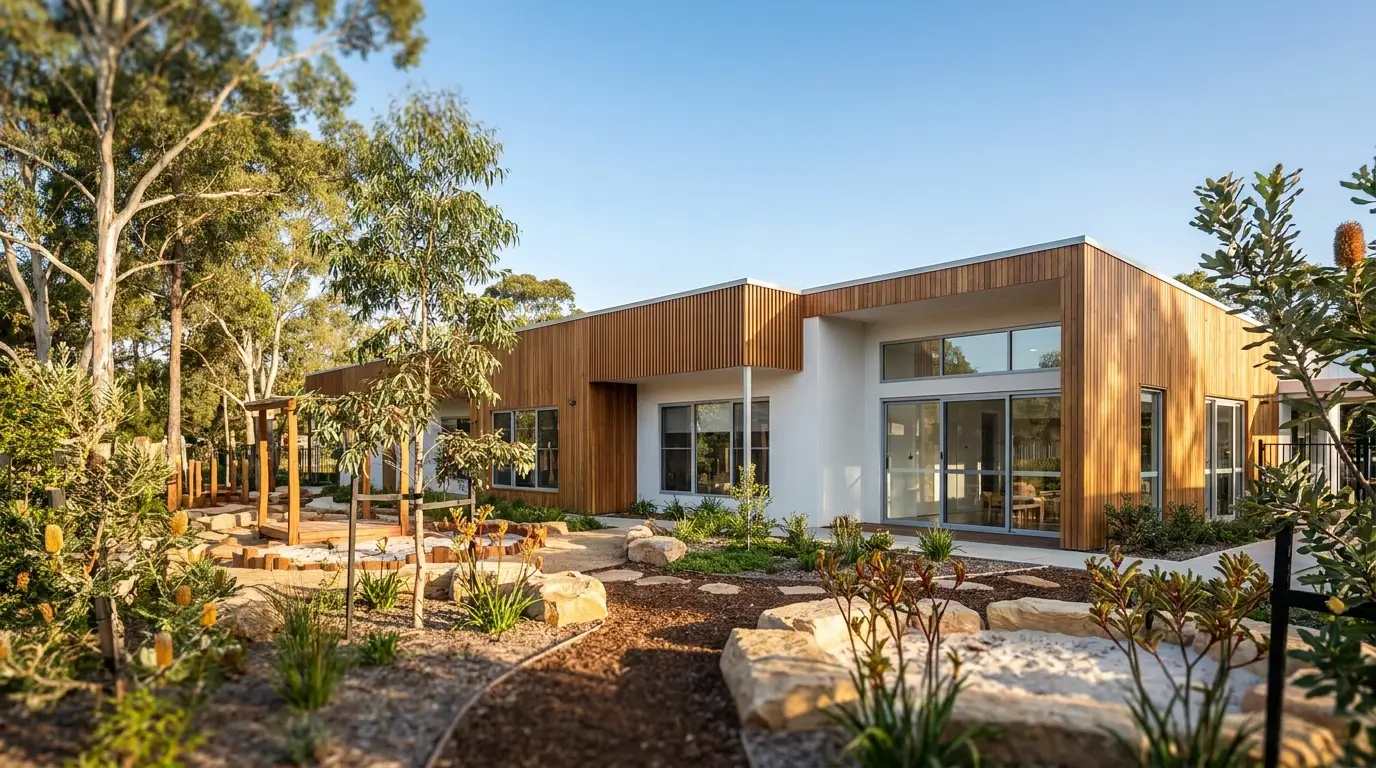
What you plan to do with it decides the assessment
Before anything else, a lender wants to know your intent: is it an existing or new centre, how long is left on the lease, and are you buying as a landlord or to operate? A current tenant buying the premises they already run from is a different deal again.
Valuation then hinges on how long the centre has operated, who manages it, and the lease remaining — and the commercial valuation ultimately frames what can be done.
- Existing centre purchase or going-concern acquisition
- Buying the freehold you currently lease
- New centre development and fit-out
- Owner-operator and passive-landlord (lease-back) structures
- Lease term, management and operator experience
- Structured with your accountant
Experience, lease and structure — in that order
Operator experience
Experience running childcare is the single biggest factor — it’s what most often makes or breaks a deal.
Lease & property
Long 10–15 year leases on purpose-built, specialised property tend to support more stable income.
Equity position
As a guide, around a 50% equity position — property equity or cash — is a sensible starting point.
The strongest childcare deals look like this
A childcare centre is read as an operating business, not just a building. The most fundable scenarios share a pattern — experience, a real plan, and a sensible equity position.
Lenders also like childcare for a structural reason: centres are usually on long 10–15 year leases and are purpose-built, specialised property — you can’t easily turn one into a restaurant or a bar. That tends to make the income that services the loan more stable. As with everything, the commercial valuation ultimately frames what can be done.
- A tenant who has operated the centre for ~10 years and now agrees to buy the premises from the landlord
- An experienced operator with family or property security to put up as collateral
- Market research, a business plan and a cash-flow forecast prepared with an accountant
- Entering an area with genuine need — not a saturated one
- A passive landlord investor with a strong net-asset position and good cash or other assets
And don’t self-reject on financials: even where tax returns don’t show much income, there can be legitimate, low-risk ways to finance commercial property when there are good assets behind it.
The questions clients ask first
What does a lender look at first for a childcare centre? +
What occupancy rate do lenders require? +
Do I need the childcare licence before finance is approved? +
What’s the difference between buying the business and buying the property? +
Can a landlord investor buy a centre without showing full financials? +
What kills childcare centre deals most often? +
What deposit or equity do I need? +
“A childcare centre isn’t a building with a loan against it — it’s an operating business. Experience and structure are what get it over the line.”
— Phil Riches, Commercial Finance Broker (a division of Model Mortgages)
Talk through your Queensland childcare centre
Understand how your situation is likely to be assessed — and what that may mean for your next step. Every conversation is strictly confidential.